
























































































































































































































































































































































































































































































































































































































































































































































































Major Scandal Uncovered in Edible Oil Price Hike Despite Global Decline


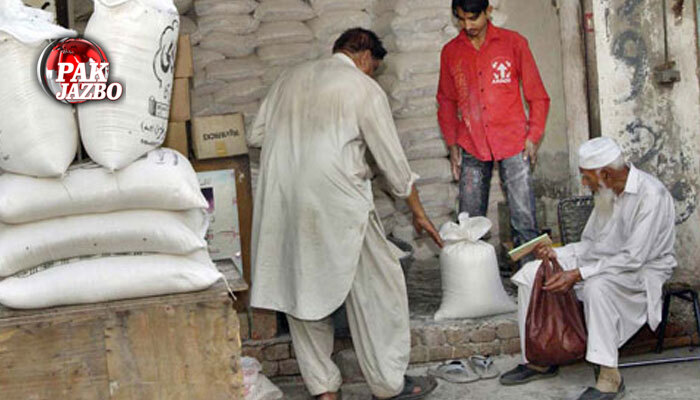
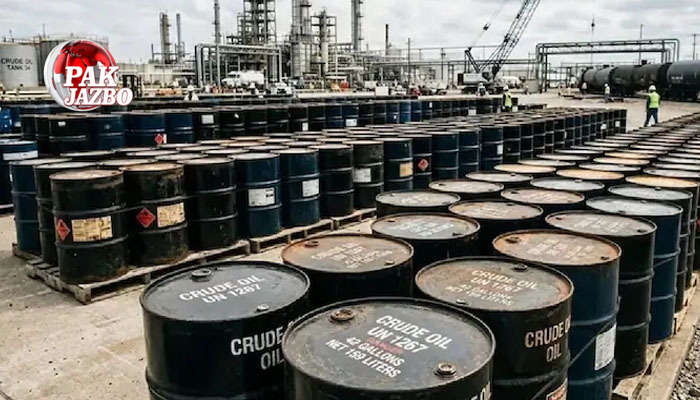
Islamabad: In a shocking development, a major profiteering scandal has surfaced in Pakistan’s edible oil sector—barely months after the sugar price manipulation controversy rocked the nation. Despite a sharp decline in global prices of cooking oil, local prices in Pakistan have not only remained stagnant but have actually increased, raising serious concerns about regulatory failure, corporate greed, and lack of consumer protection.
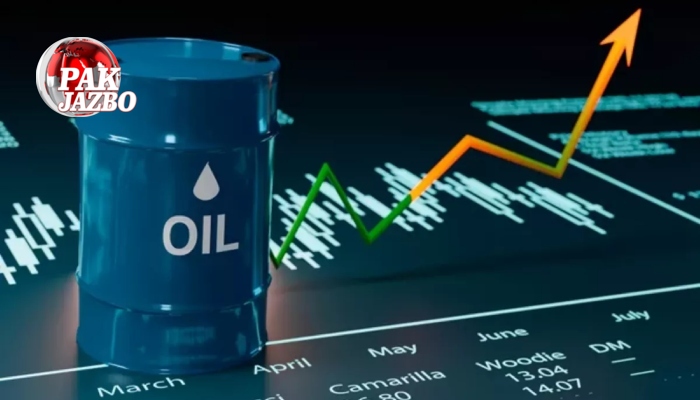
According to official figures and trade sources, the international market has witnessed a 24% drop in the prices of palm oil, the most widely used ingredient in cooking oil production. This decline has taken place between December 2024 and July 2025, largely due to increased global supply and softening demand. However, in stark contrast, Pakistan’s local market has seen a 4.5% increase in retail cooking oil prices during the same period.
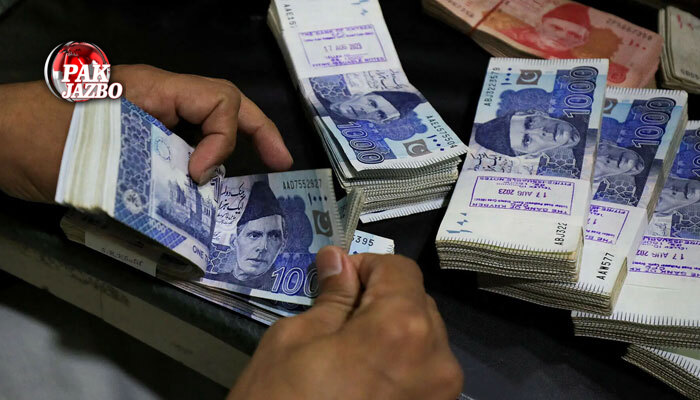
This pricing anomaly has led to an estimated PKR 150 per liter increase in consumer cost, a significant burden for ordinary households already struggling with inflation and economic uncertainty. The direct beneficiaries of this price manipulation appear to be profit-driven cartels and monopolistic groups within the edible oil industry, who are accused of artificially inflating prices to maximize earnings.
Preferential Imports, But No Relief for the People
Pakistan is a major importer of edible oil, especially from Malaysia and Indonesia, and benefits from preferential trade agreements that allow for lower import duties. Under normal circumstances, such advantages would result in lower domestic prices, offering relief to consumers. However, reports indicate that the reduced international prices have not been passed on to the public.
Instead, traders and manufacturers appear to have manipulated price structures at various stages of the supply chain, from import to retail. Insiders suggest that instead of transferring the benefits of cost savings to the masses, a select few companies and distributors have pocketed billions in profits, contributing to inflation and financial stress for millions of Pakistanis.
ECC to Review Shocking Discrepancy
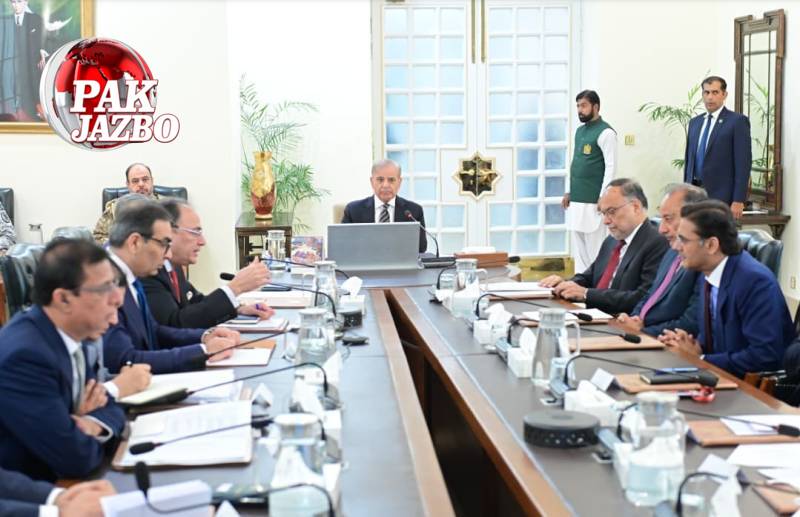
In light of this growing scandal, the Economic Coordination Committee (ECC)—Pakistan’s top economic policy-making body—is scheduled to review the issue in its upcoming meeting. A summary prepared by the Ministry of Industries and Production outlines how the price gap between international and local markets reveals unjustified profiteering.
The summary reportedly details how, despite a consistent fall in global palm oil prices, domestic manufacturers have resisted any meaningful reduction in retail prices, instead creating a misleading narrative around rising operational costs.
Prime Minister’s Promise Falls Short
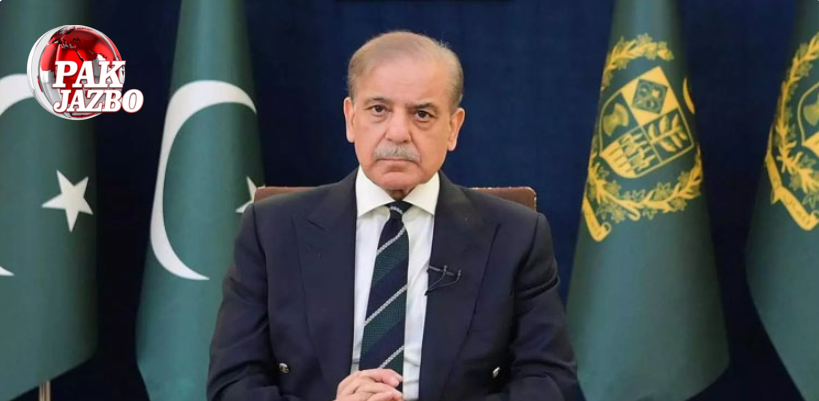
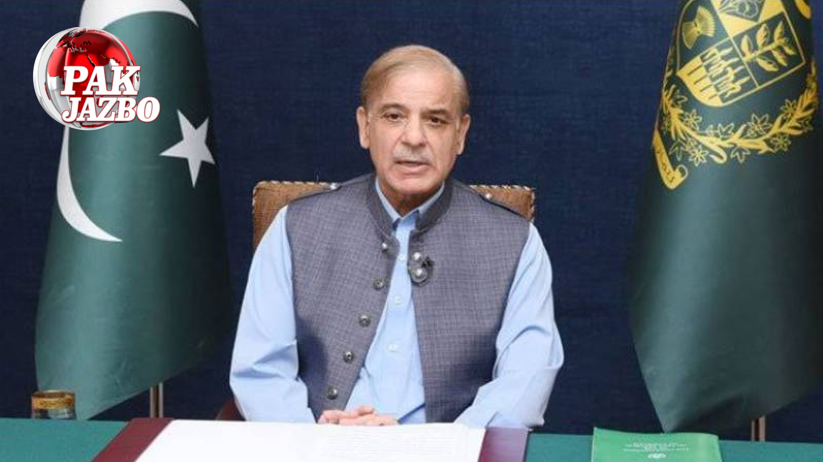
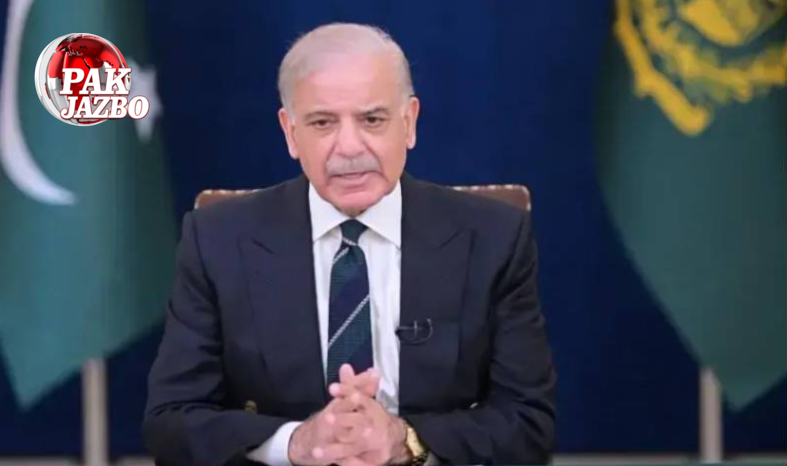
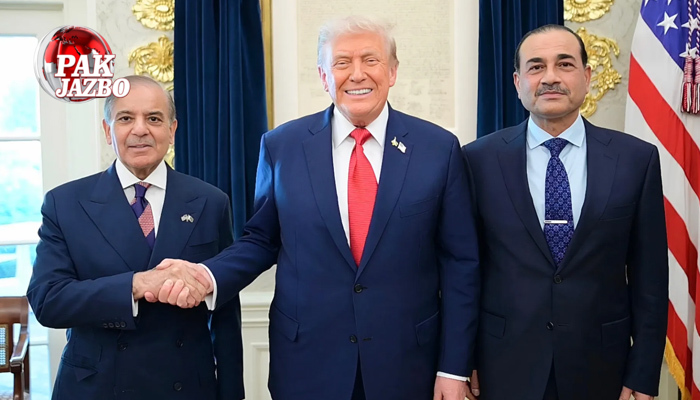
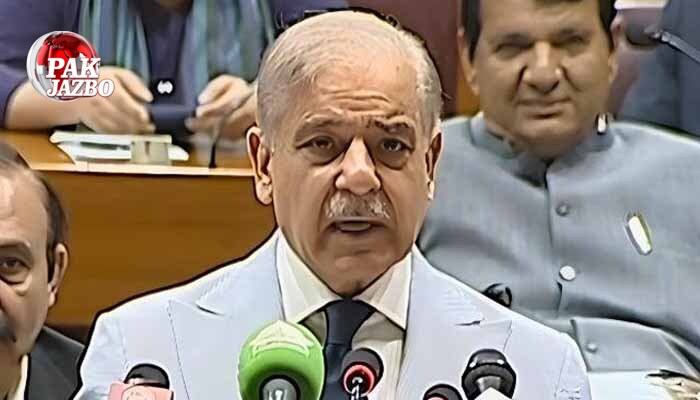
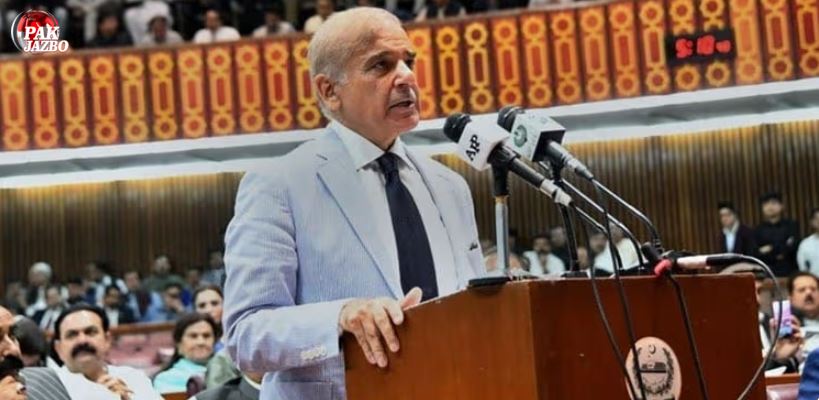
This development stands in contradiction to Prime Minister Shehbaz Sharif’s earlier pledge of providing economic relief to the common man. In February 2025, the Prime Minister had announced a series of measures aimed at controlling food inflation, with specific emphasis on edible commodities like sugar, wheat, and cooking oil.
To fulfill this commitment, high-level consultative meetings were held between government representatives and the Pakistan Vanaspati Manufacturers Association (PVMA) on April 23 and May 23, where industry leaders promised cooperation in stabilizing prices. However, despite these discussions, prices have continued to rise—indicating either a breakdown in oversight or a deliberate breach of agreement by stakeholders.
Experts Demand Action, Transparency, and Accountability
Economists and consumer advocacy groups have responded strongly, calling for an immediate crackdown on anti-competitive practices within the cooking oil sector. The Competition Commission of Pakistan (CCP) and Federal Board of Revenue (FBR) have been urged to initiate investigations into possible hoarding, price rigging, false accounting, and market manipulation.
They argue that the government must not limit itself to verbal warnings or policy reviews. Concrete actions, including audits, fines, public disclosures, and if necessary, criminal charges, must be pursued to dismantle what many are calling a “profit mafia” embedded in essential commodity markets.
A Broader Pattern of Market Manipulation
This is not the first time essential commodities in Pakistan have been targeted by profiteers. Over the past few years, similar price shocks have hit consumers in the form of sudden hikes in sugar, wheat, flour, fuel, and now cooking oil. Critics say this pattern points to a systemic weakness in governance and enforcement, which emboldens market manipulators and leaves consumers helpless.
With inflation still hovering in double digits, the common citizen is left with little room to absorb such artificial hikes. Households that spend a large share of their income on groceries are being pushed closer to the poverty line, further widening the inequality gap.
Government’s Credibility on the Line
As pressure mounts, the government finds itself at a critical juncture. Failing to address this issue promptly and transparently could seriously undermine public trust in state institutions. It could also damage Pakistan’s image in the global market, where concerns over lack of transparency and corporate regulation have already impacted foreign investment flows.
Observers stress that this moment presents an opportunity for the government to prove its resolve against corruption and economic exploitation. By holding accountable those involved—regardless of their political or corporate affiliations—the state can send a strong signal that manipulating essential commodities for profit will not be tolerated.
What’s your Reaction?
+1
+1
+1
+1
+1
+1