































































































































































































































































































































































































































































































































































































































































































































































































































































































































































































































































































































































































































































































































































































































































































































































































































































































Stakeholders Unite to Implement the Sindh Home Based Workers Act 2018


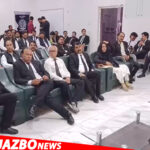
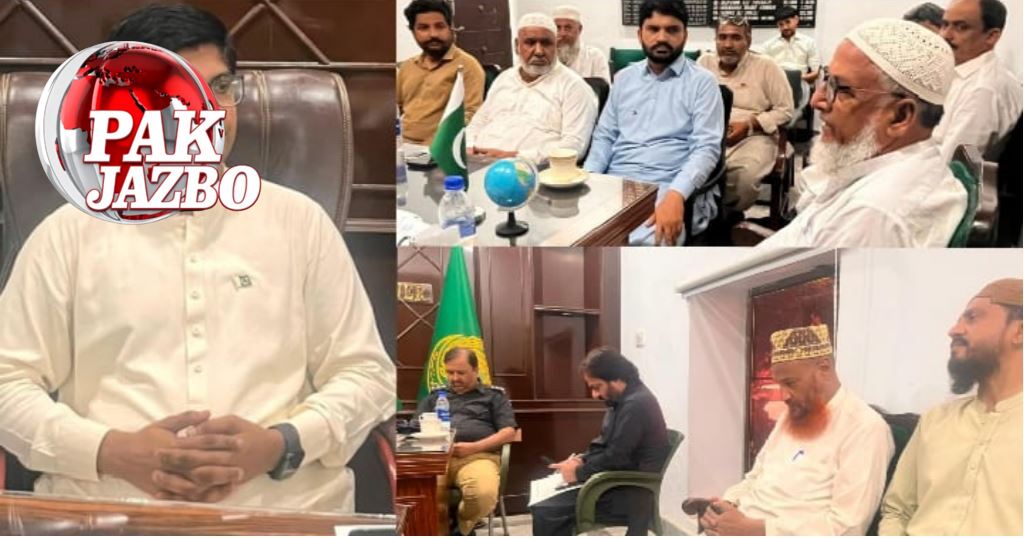
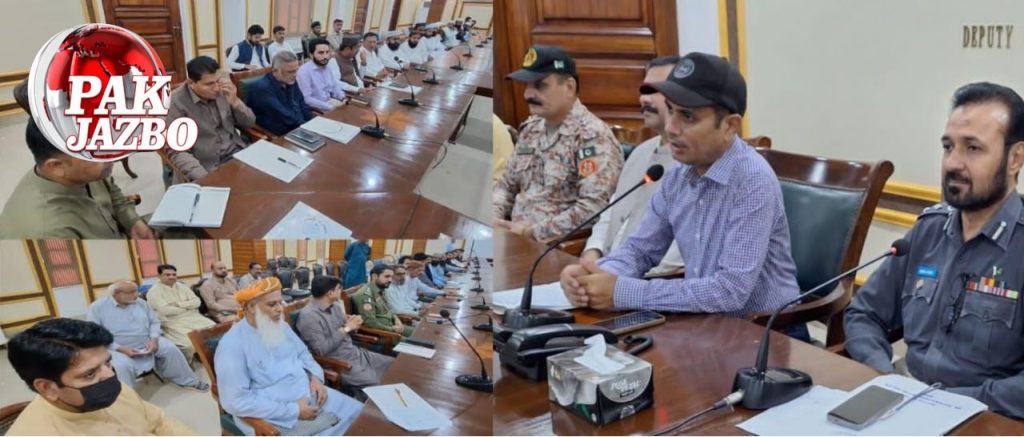
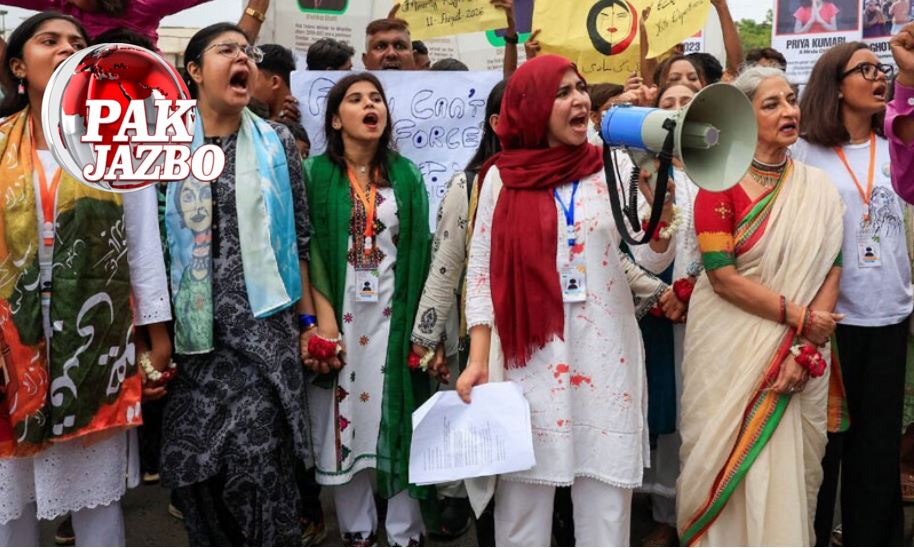
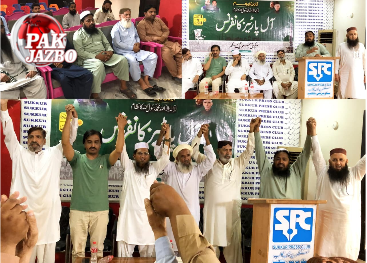
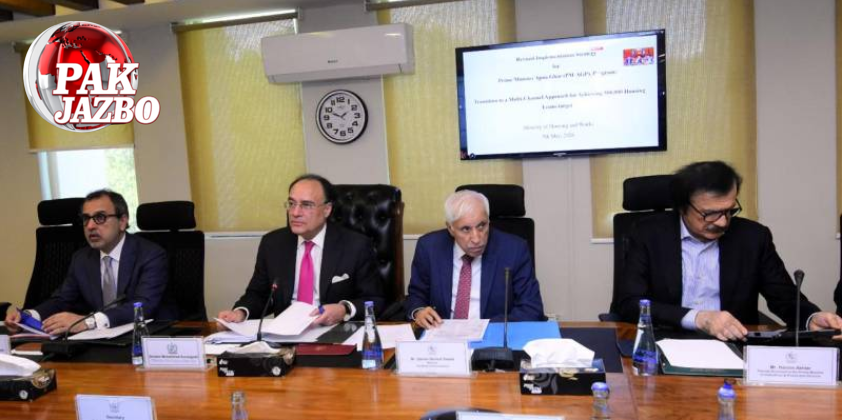
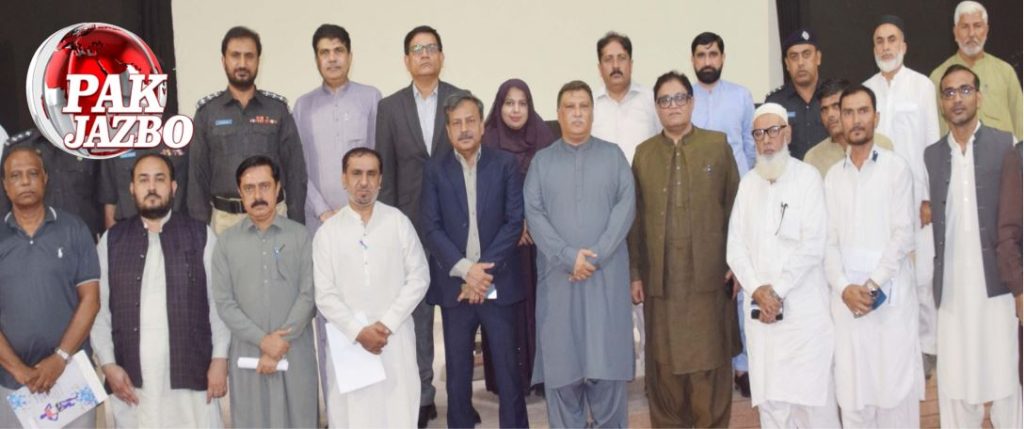
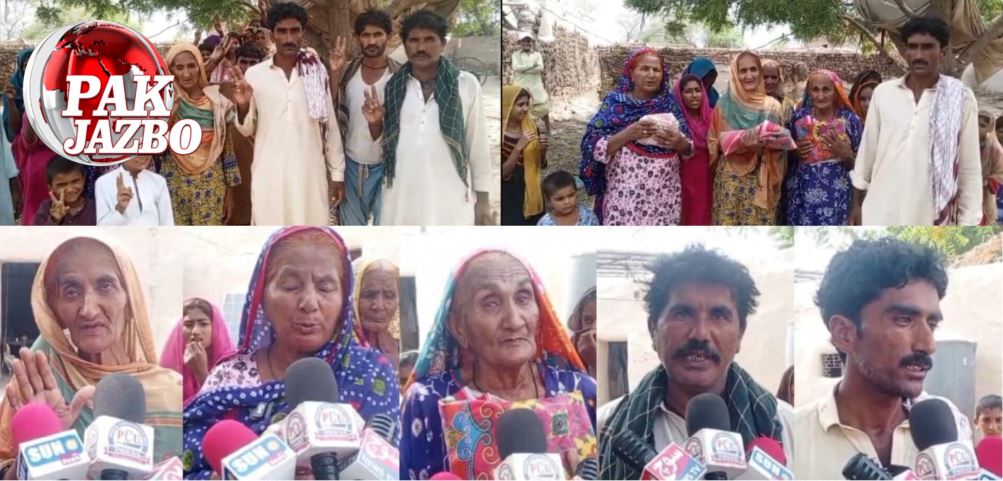
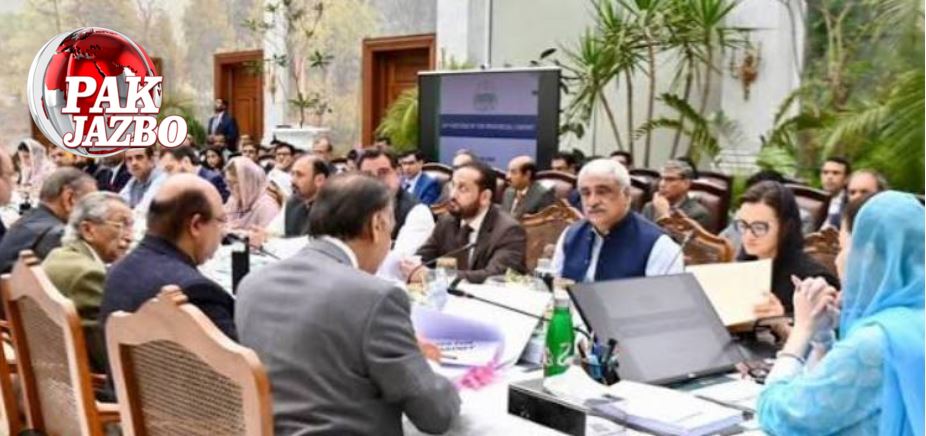
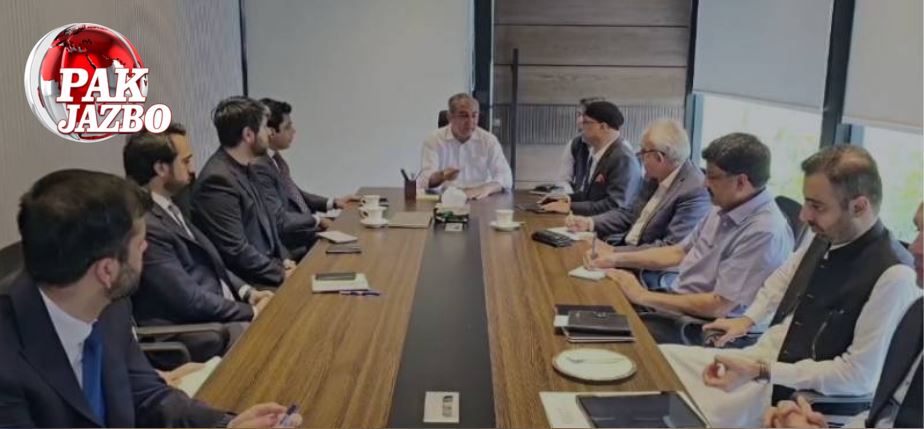
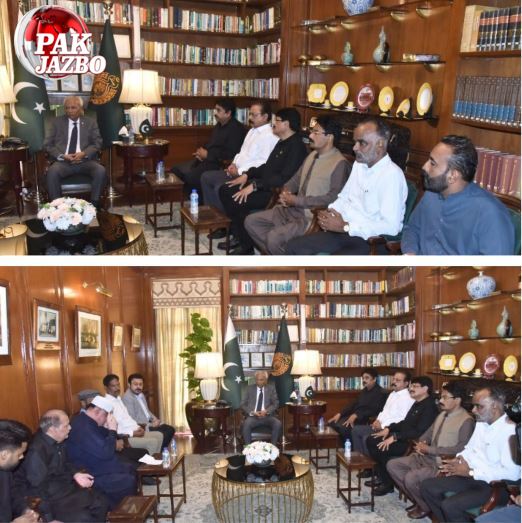
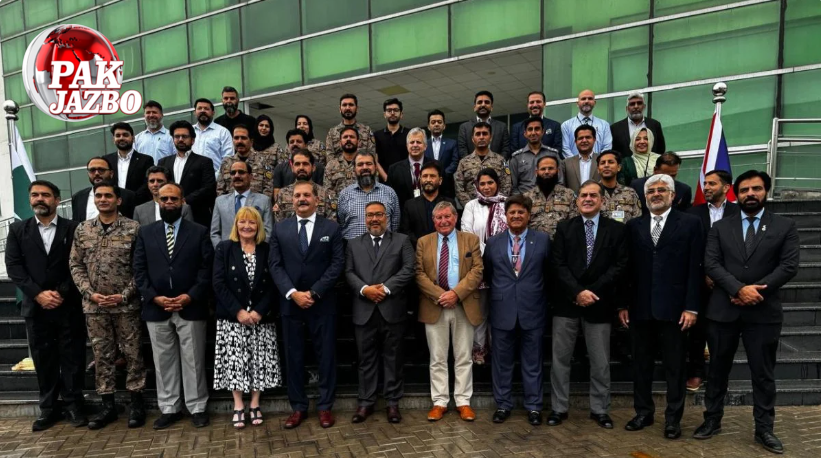
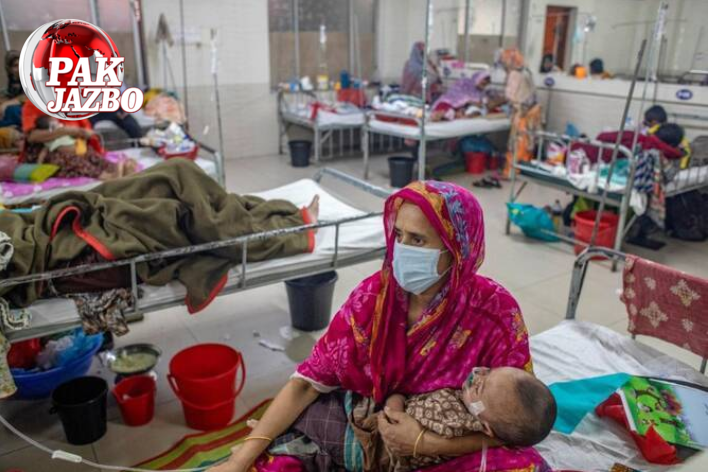
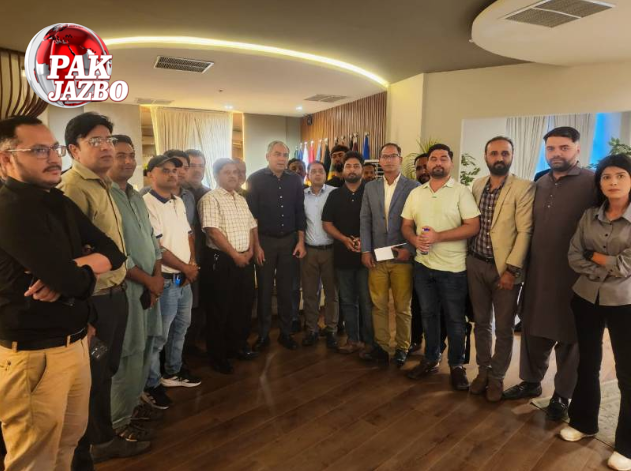
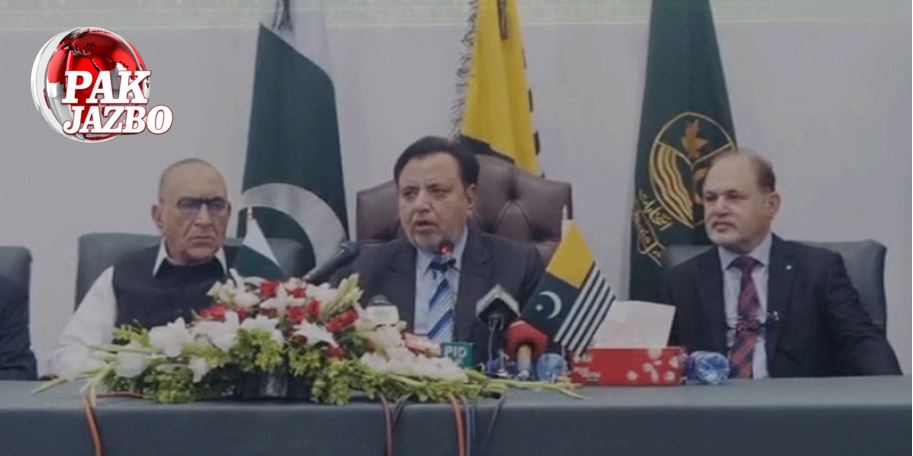
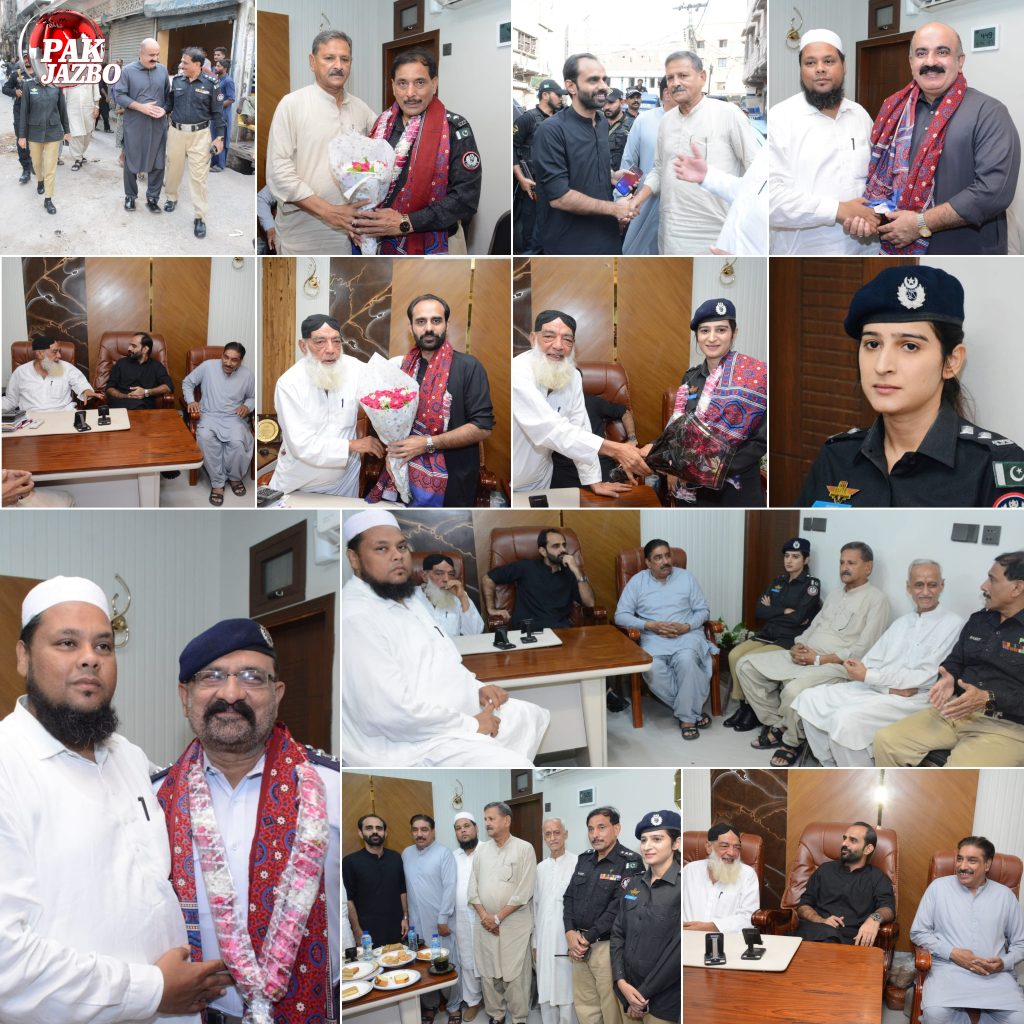
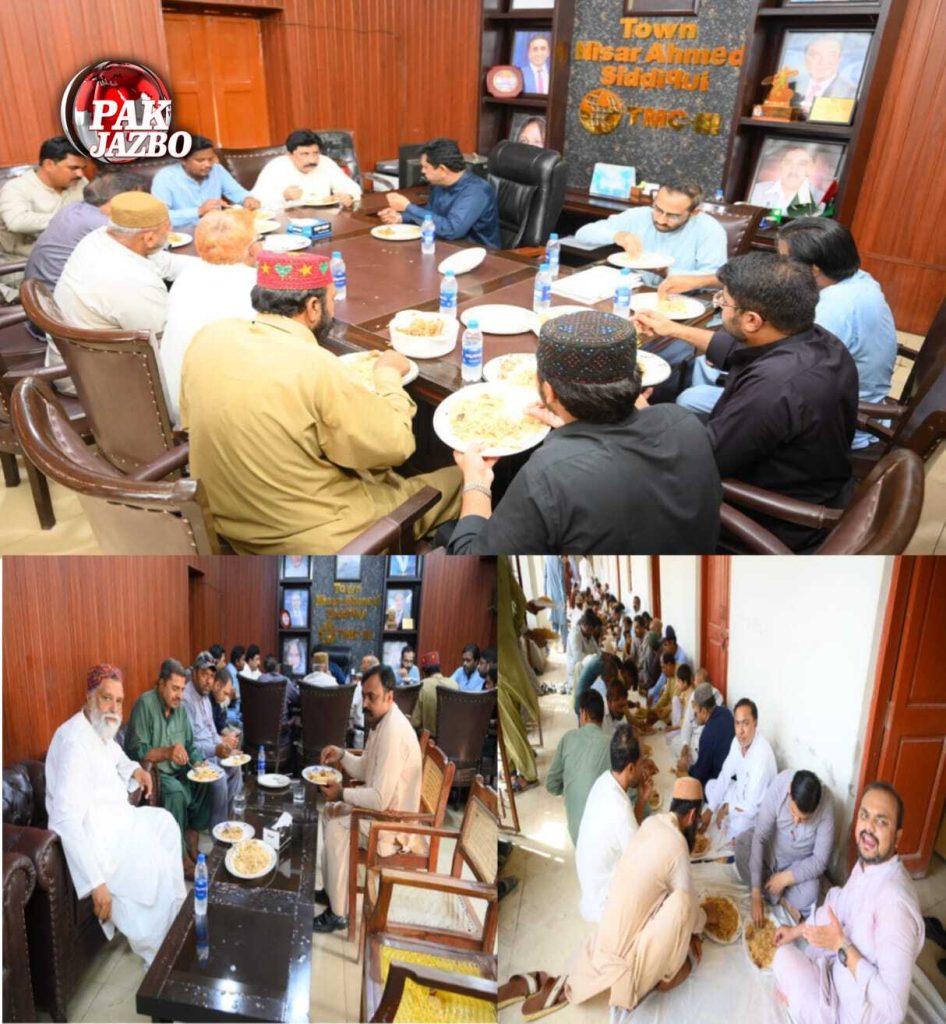
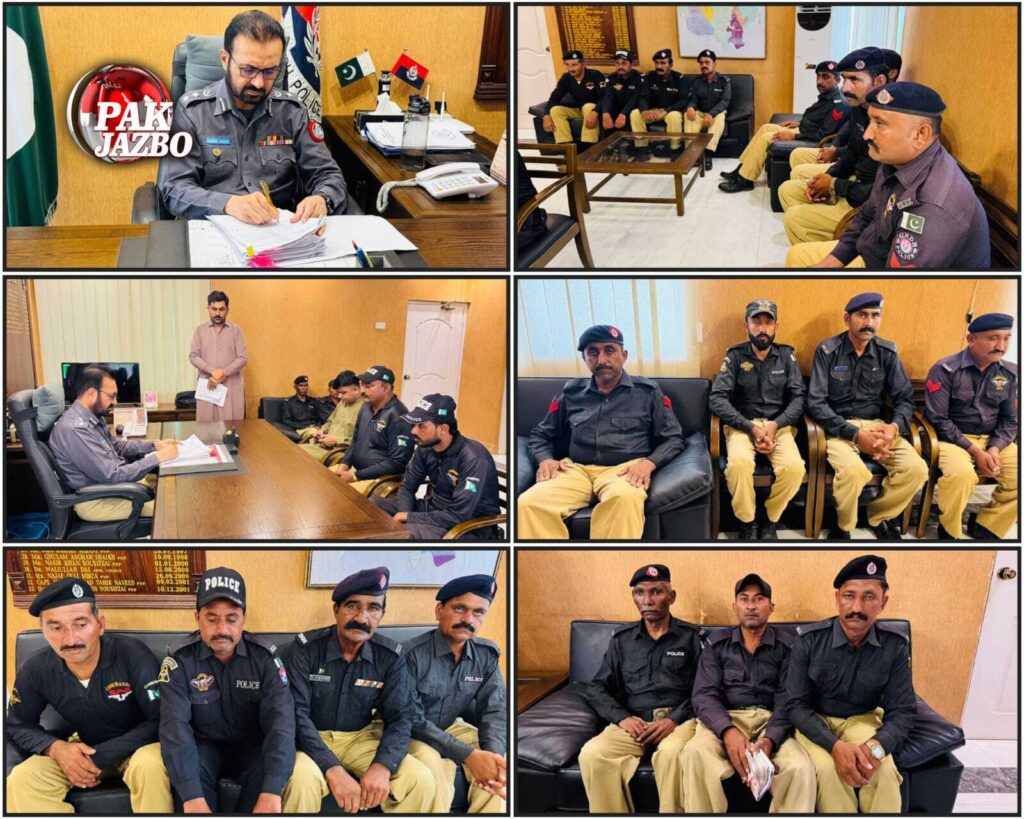
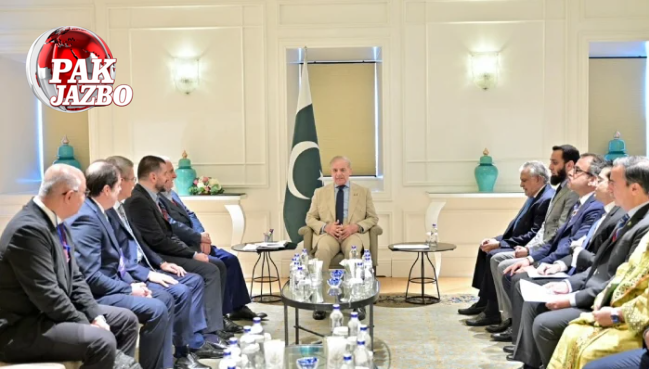
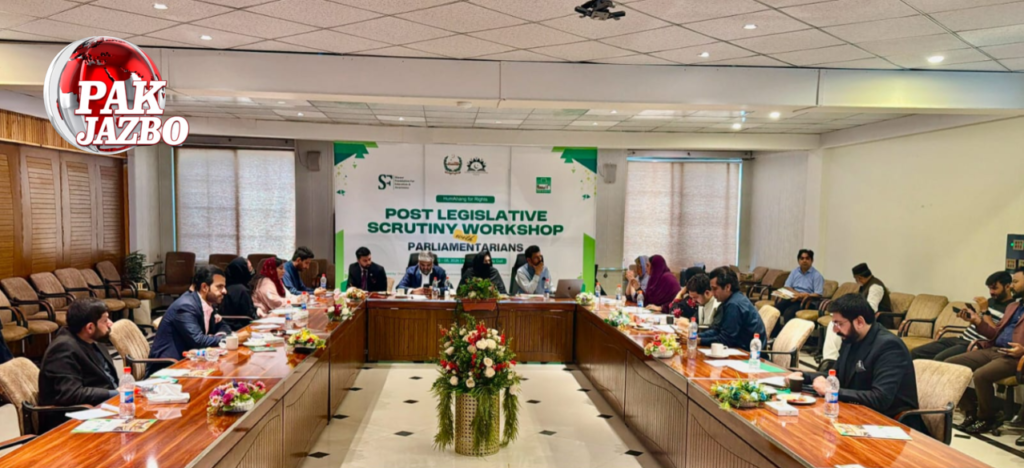
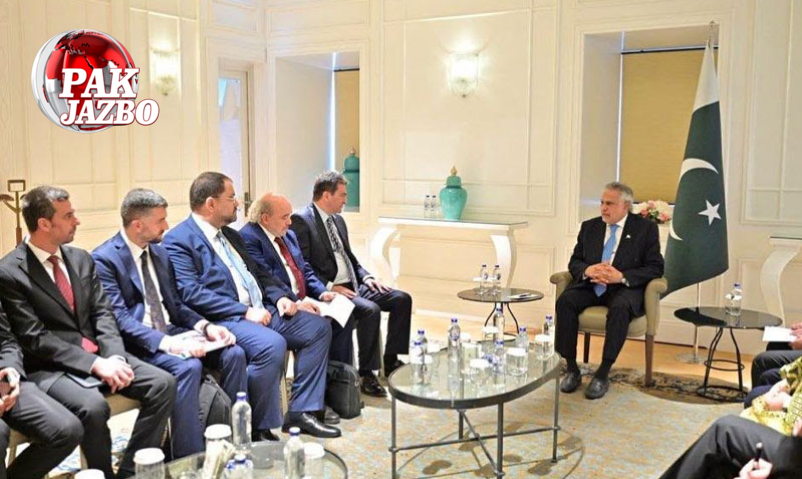
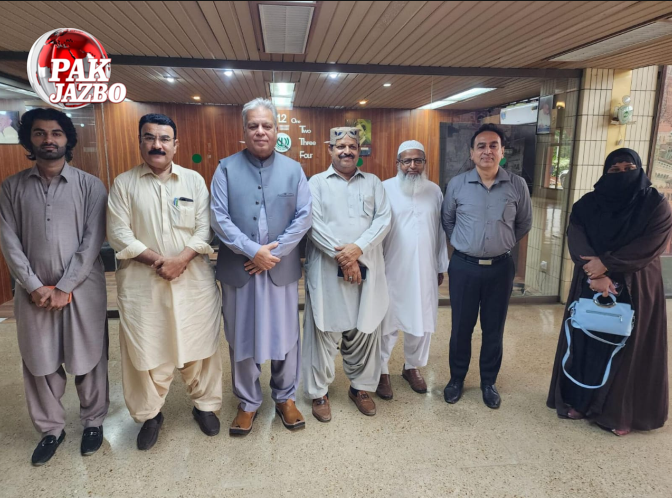
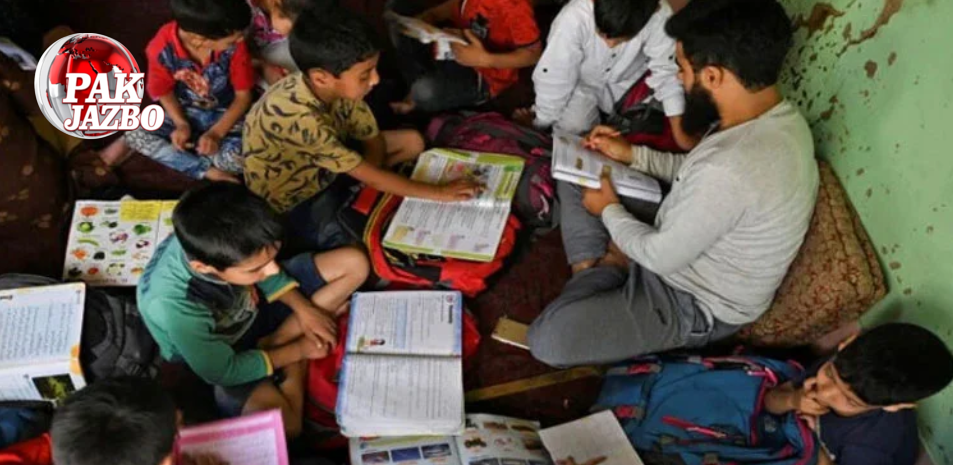
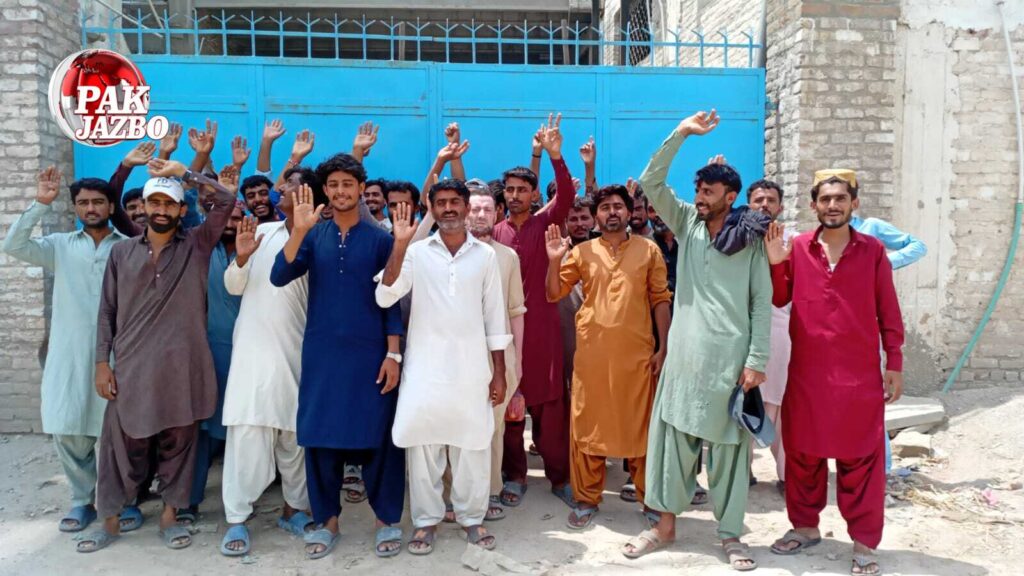
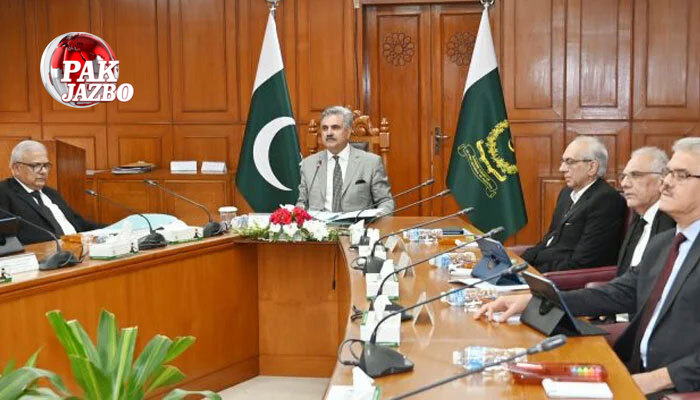
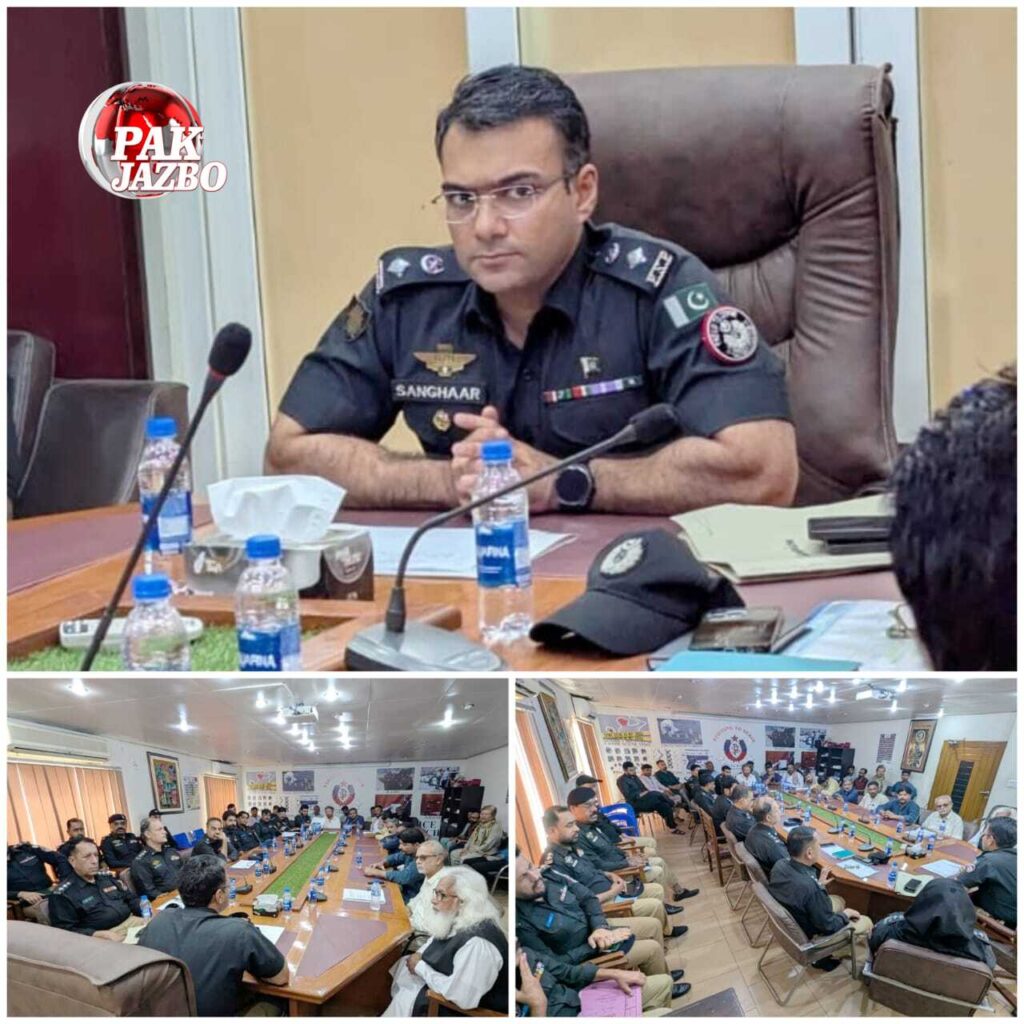
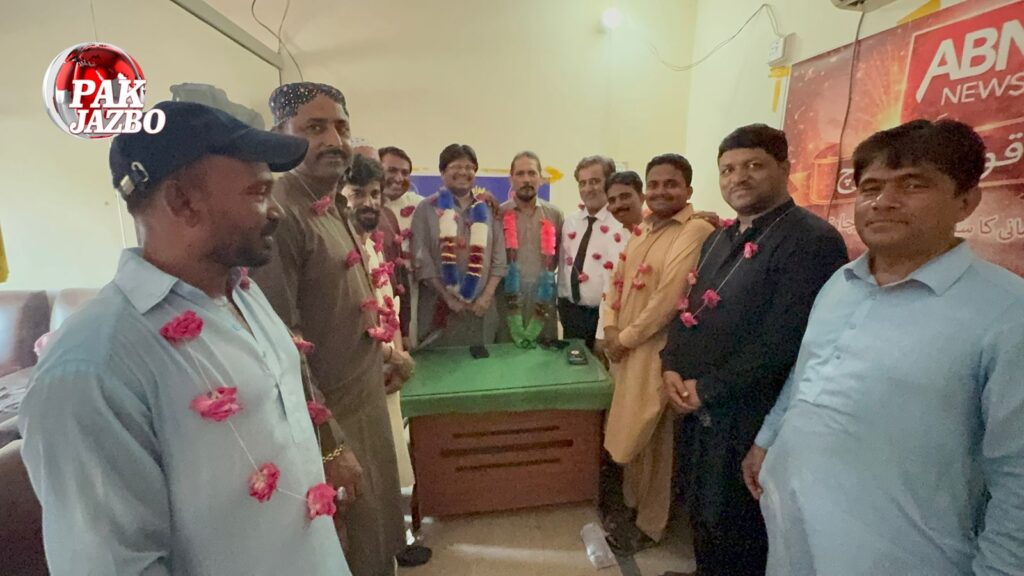
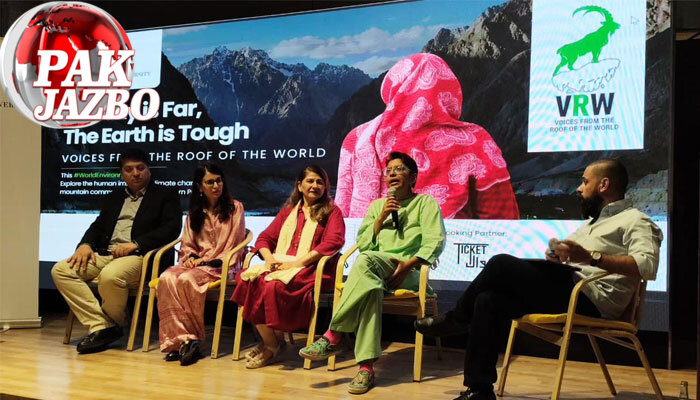
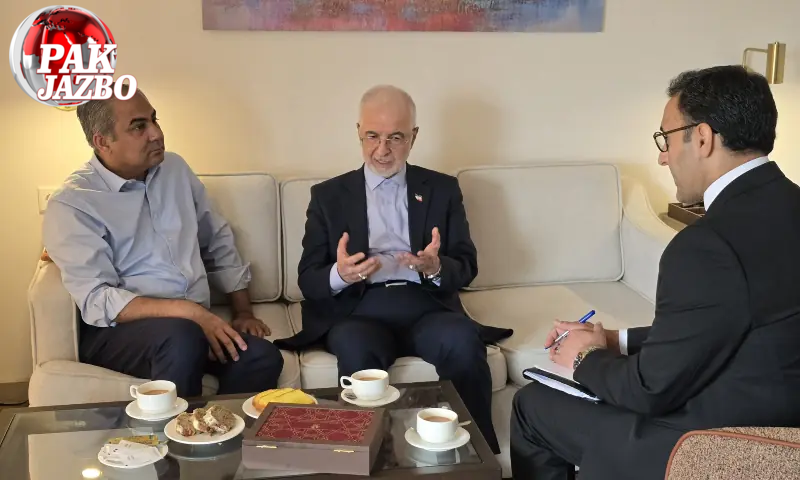
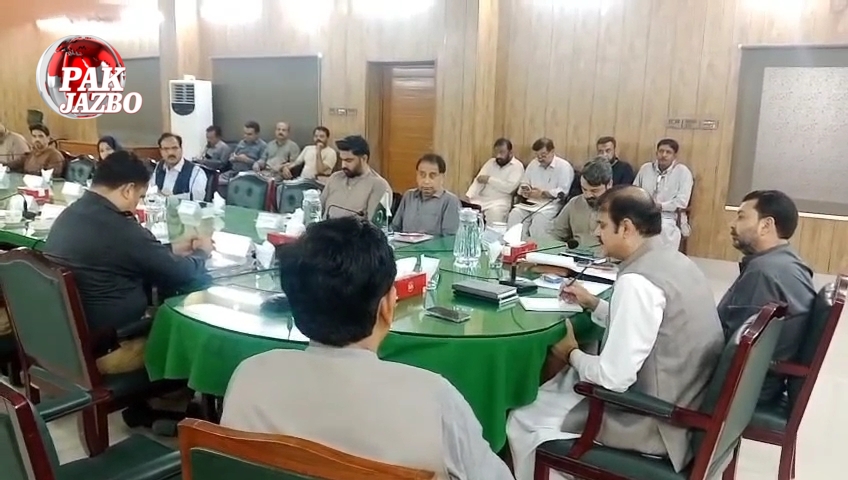
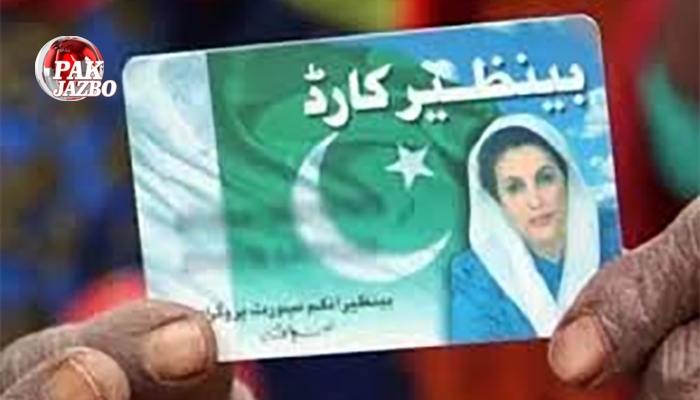
SUKKUR [25 July 2025] — Home based workers who are mostly of women form the invisible backbone of Sindh’s informal economy. From stitching garments to assembling handicrafts, they contribute immensely to industries, yet remain excluded from formal protections. Sindh made history in 2018 by passing the Sindh Home Based Workers Act, the first law in Pakistan and South Asia to formally recognize and safeguard the rights of home based workers (HBWs). The Act promised identity, dignity, and social protection. Seven years on, its full implementation remains elusive. To address this gap, Friedrich Ebert Stiftung (FES) in collaboration with the Sindh Human Rights Commission (SHRC) convened a multi-stakeholder consultative meeting on Sindh Home Based Workers law. The consultation brought together key government departments, civil society and women workers themselves to forge a way forward. Representing the Labour Department, a senior official acknowledged that while the legal framework is in place, “we need stronger inter-departmental coordination and clearer mandates to bring this law to life. The Labour Department is committed to fast-tracking the notification of rules and ensuring that registration systems are simplified and accessible.” From the Women Development Department, and officer emphasized the urgency of action. “This law is about economic justice for women. Women HBWs are often heads of households, juggling care work and income generation. Our department fully supports the call for 50% representation of women workers on all decision-making bodies and stronger links to childcare and health support.” A representative of the Social Welfare Department added, “To build truly inclusive systems, we must integrate HBWs into existing welfare schemes and ensure no woman is left behind simply because she works from home. We support cross-department collaboration and are ready to play our role in delivering services to the doorstep.” The dialogue spotlighted key reforms: making registration easier through mobile units and digital tools, expanding access to health coverage and maternity benefits, enforcing fair piece rates, and establishing clear grievance redress and legal aid pathways. Participants also discuss integrating HBWs into social protection schemes like BISP, linking them with digital literacy and market access programs, and tracking progress through transparent, public reporting. Abdullah Dayo, Country Program Advisor of FES Pakistan concluded that this isn’t just a consultation but it’s a shared commitment together with government departments, civil society, and women workers who are pushing to turn a powerful law into real, tangible change. For the women who power Sindh’s informal economy, it’s time their rights are no longer out of reach, he added.
What’s your Reaction?
+1
+1
+1
+1
+1
+1