


























































































































































































































































































































































































































































































































































































































































































































































































































































































































































































































































































































































































































































































































































































































































































































































































































































































































































Shocking Report Reveals 2,564 Cases of Violence Against Women in Sindh Over Four Years – 523 Murdered, 392 Raped, and 493 Suicides


Hyderabad – August 5, 2025:
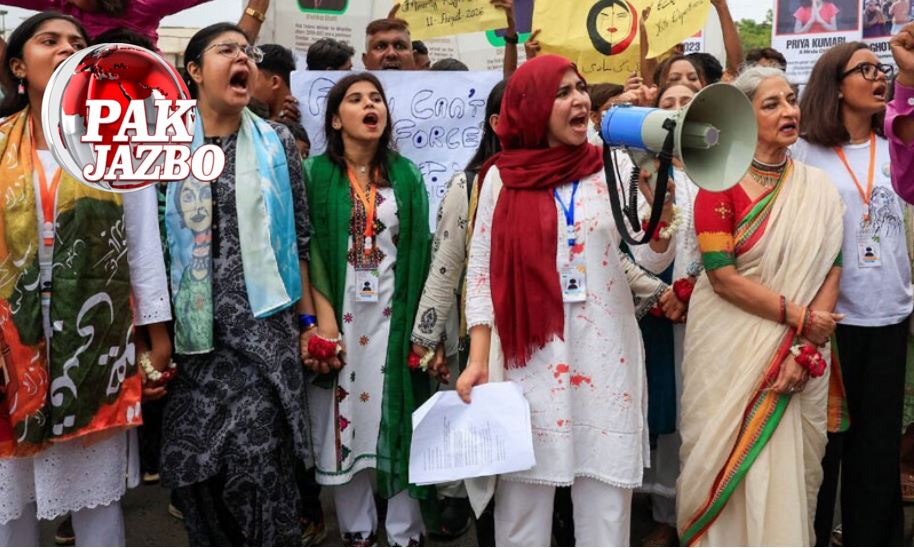
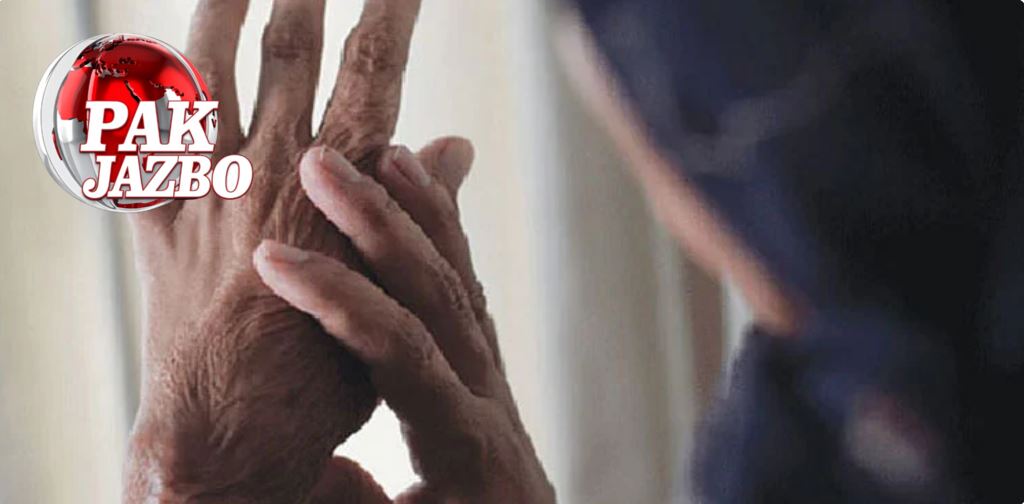
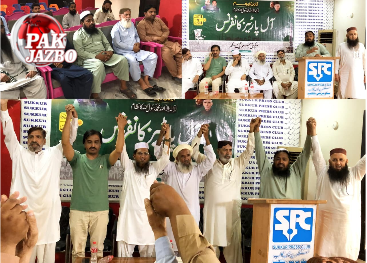
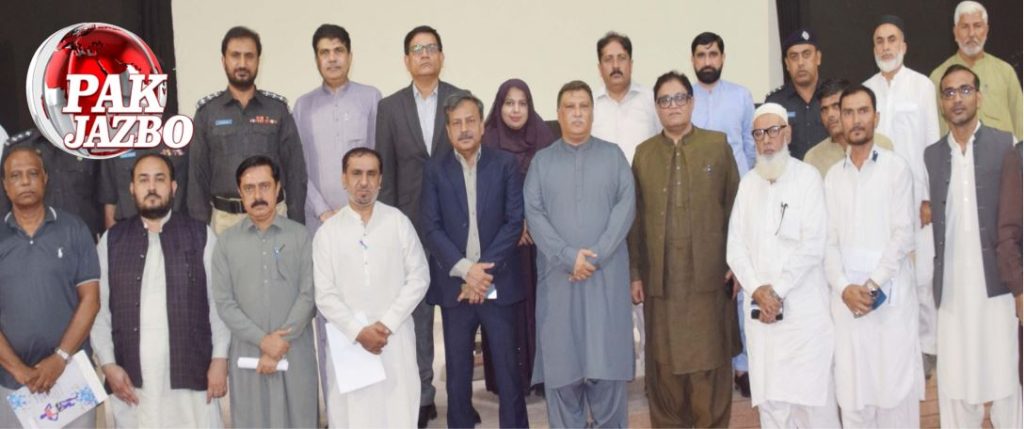
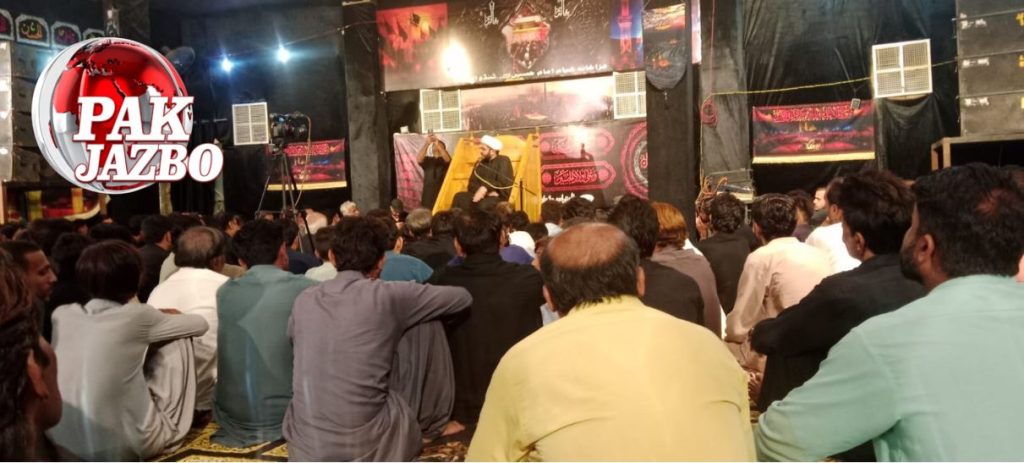
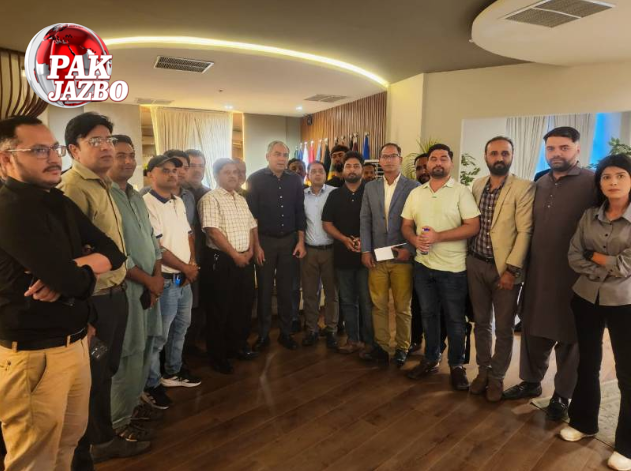
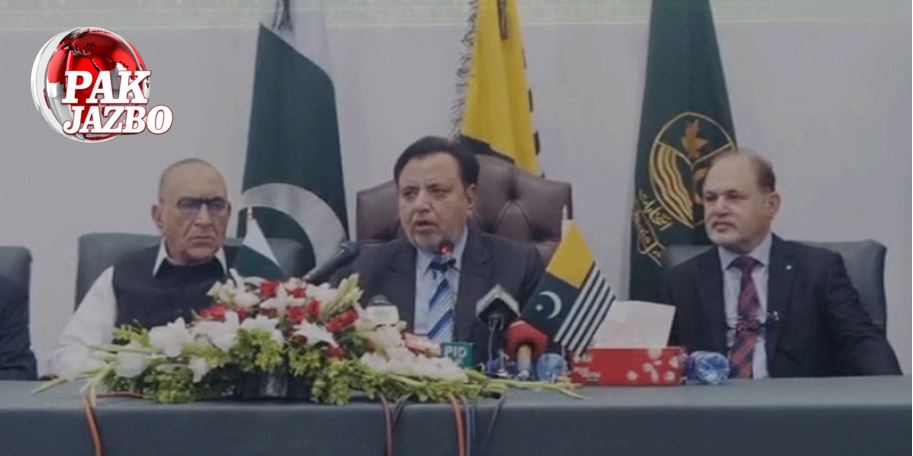
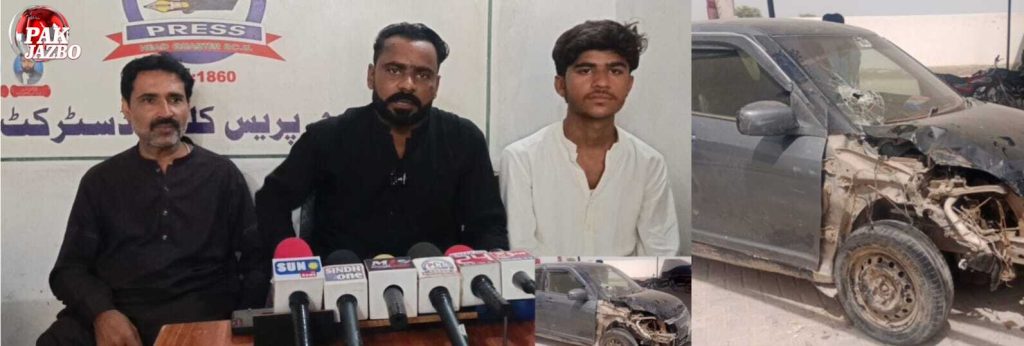
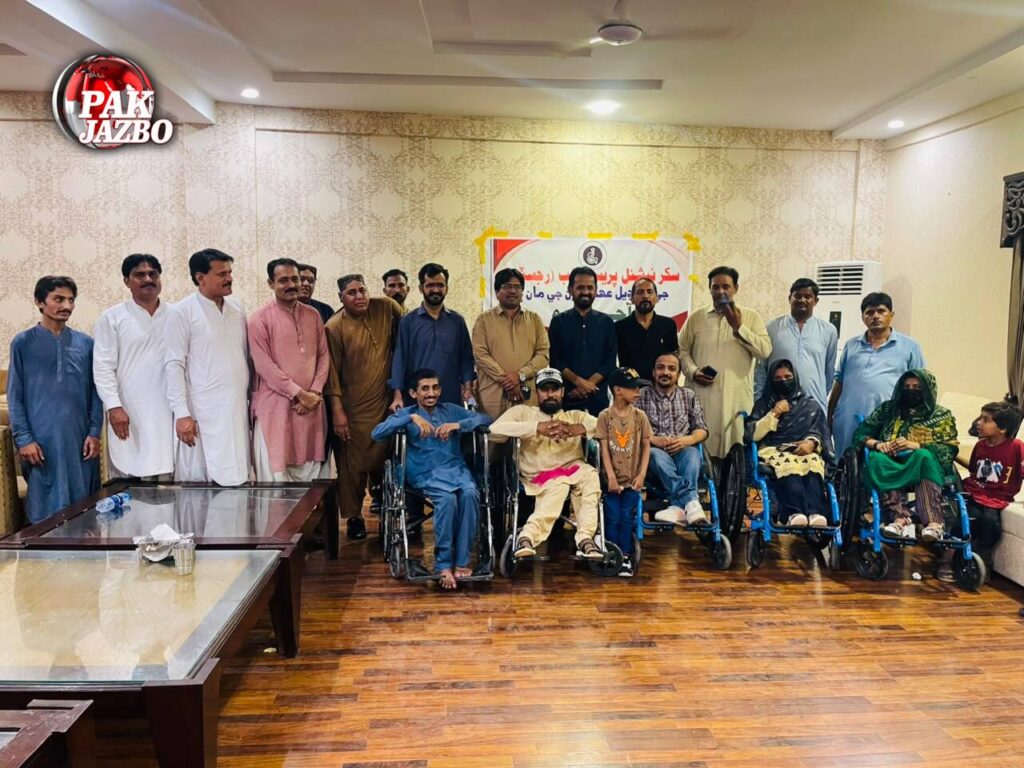
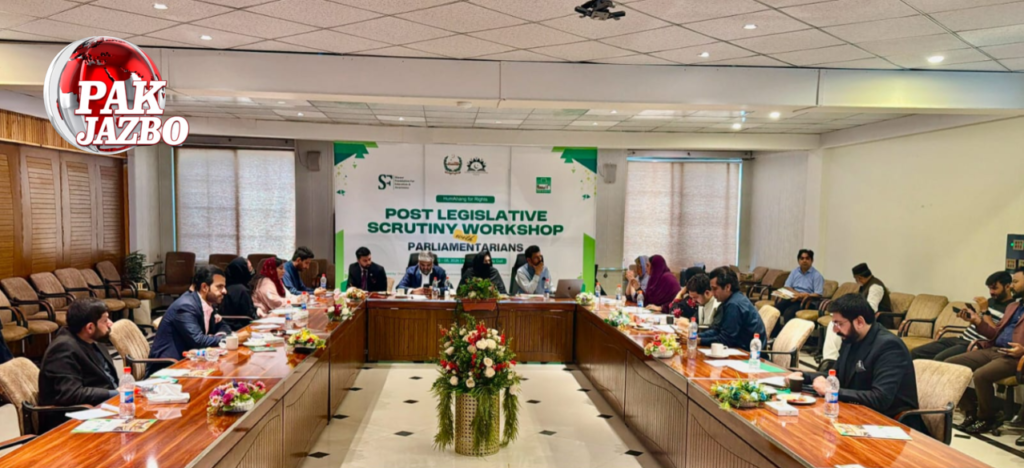
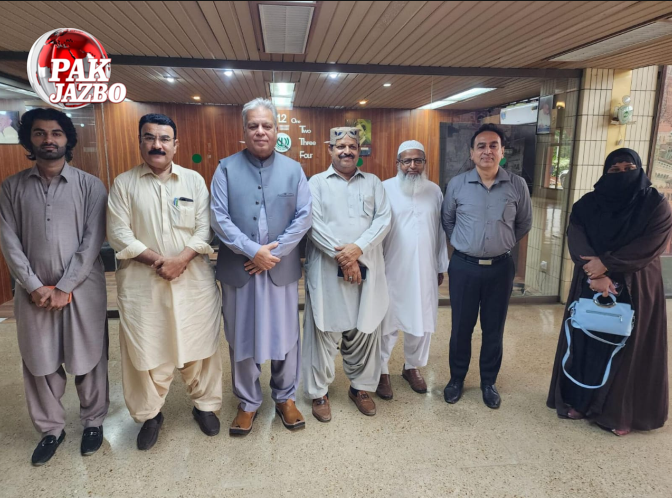
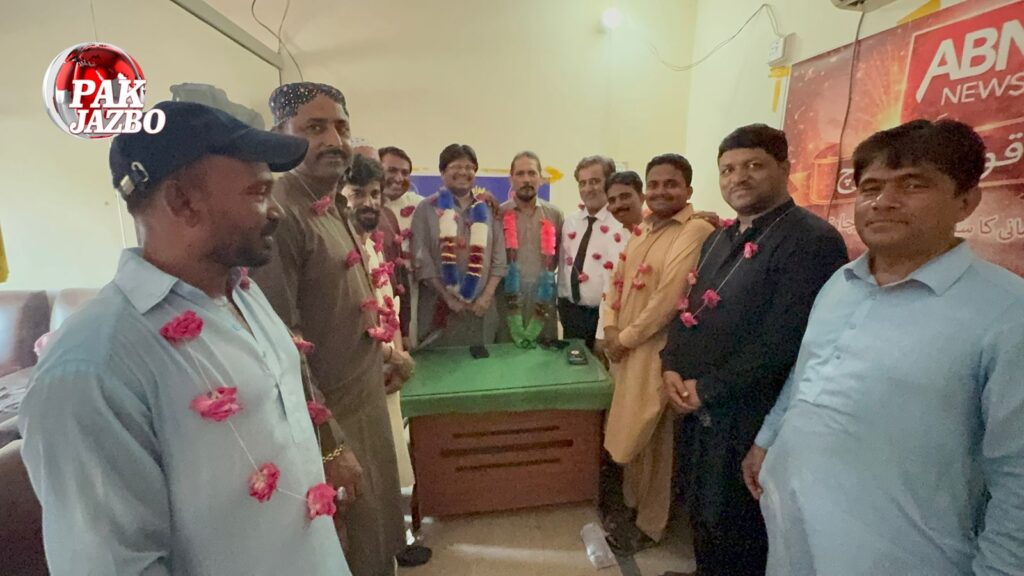
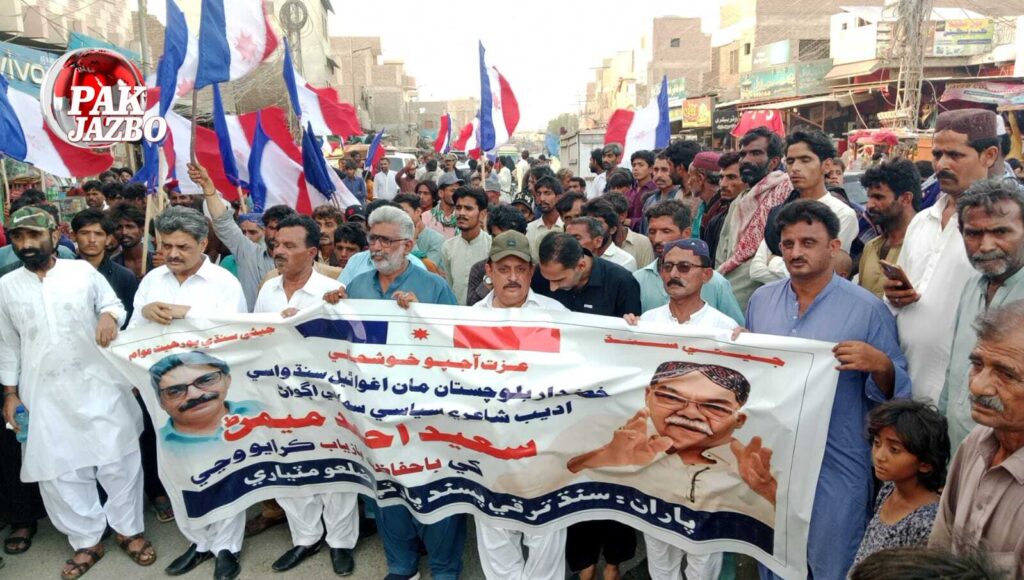
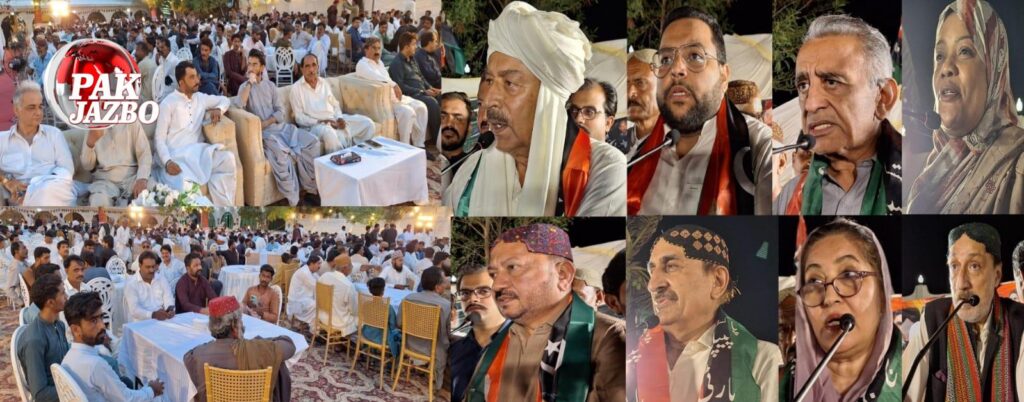
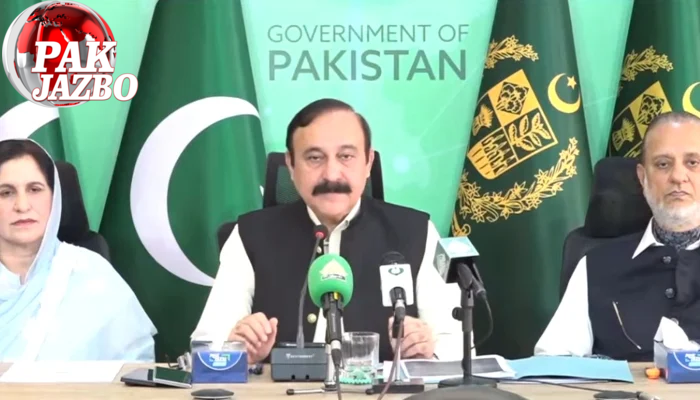
The Women Action Forum (WAF) has unveiled a distressing four-year report detailing a staggering rise in violence against women in Sindh. A press conference held at Hyderabad Press Club gathered WAF leaders, human rights activists, journalists, and social reformers to share data compiled between July 2021 and June 2025, covering incidents of murder, domestic abuse, sexual violence, harassment, forced marriages, acid attacks, and suicides.
According to the data released by the forum, a total of 2,564 cases of violence against women were reported in print and electronic media during the four-year period. These included 523 murders, 328 of which were under the pretext of “honor killings”, and 493 suicides, driven by societal inequality, domestic conflicts, and poverty. In addition, 26 women attempted suicide but survived.
The report reveals that 392 women were raped, while 8 were murdered after being sexually assaulted. There were 387 cases of sexual abuse, 43 forced child marriages, and 94 harassment cases. 163 abductions of women were reported, along with 16 acid attack incidents, and 45 cases of other physical violence.
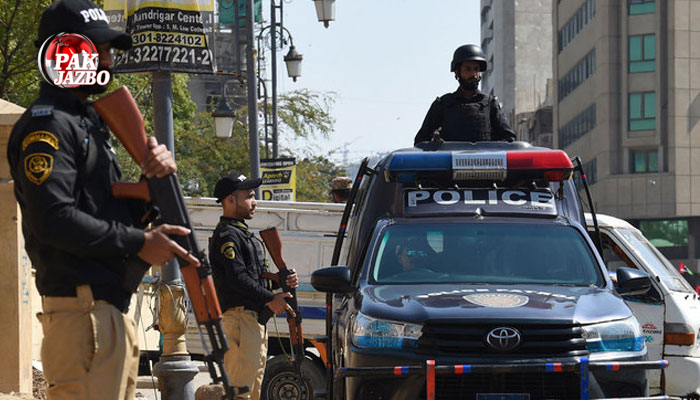
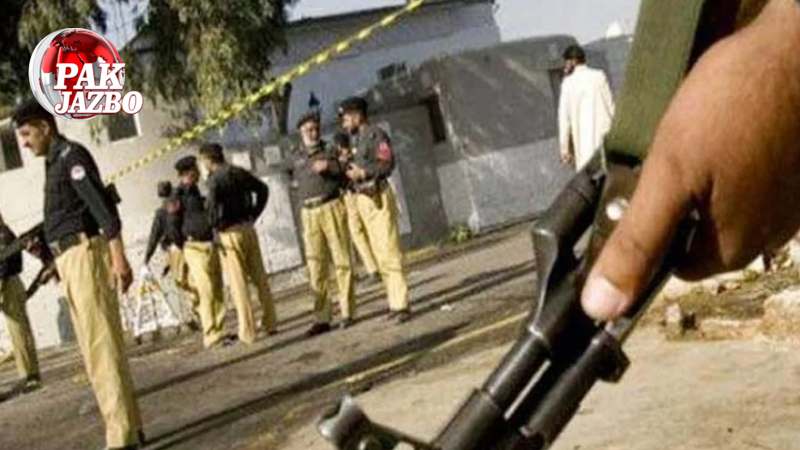
During the session, concerns were raised about the state’s failure to ensure women’s safety. Speakers expressed serious alarm at the rise in violence and lack of accountability. They criticized the government’s inaction and police negligence, highlighting how most murder cases go unpunished due to weak investigations and biased policing. Speakers noted that police officers often side with perpetrators, failing to register cases or deliberately botching investigations.
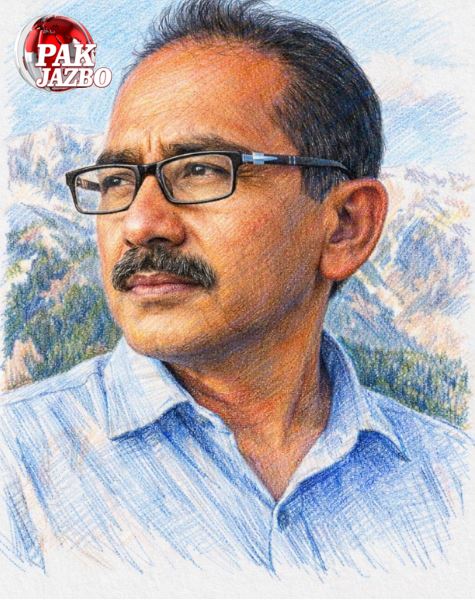
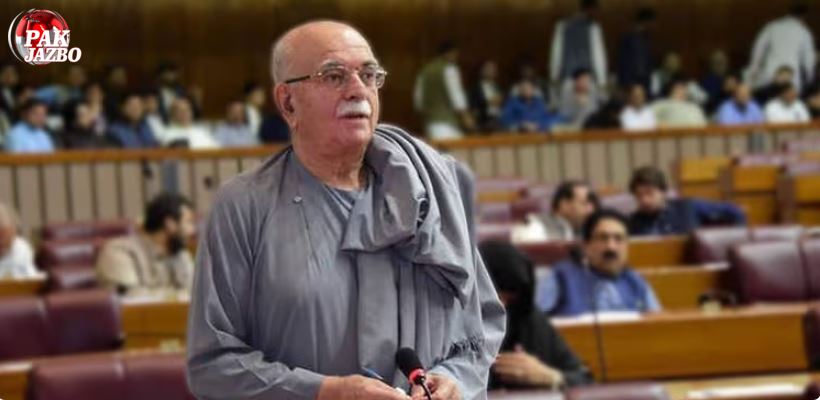
Prominent journalist Wusatullah Khan described it as a national tragedy that women are less safe in their homes than outside. He stated that 90% of women murder cases involve family members. Khan lamented that Sindh has only seven police stations where women’s complaints can be officially filed, illustrating the systemic failure and state apathy toward women’s rights. Although laws exist, enforcement remains nearly nonexistent.
WAF leader Amar Sindhu, who presented the report, emphasized a disturbing increase in honor killings and suicides among women, noting that the majority of murders are committed by close relatives. She called for stronger institutional reforms and immediate action to curb these crimes.
Activist Irfan Mallah stated that these figures represent real women with real lives, not just numbers. “These were once laughing, hopeful faces,” he said. He accused the police of refusing to register cases, stating that only the Senior Superintendent of Police (SSP) level officers sometimes respond, and even then, often just to temporarily deflect attention. The ultimate outcome, he argued, depends on what the Station House Officer (SHO) wants, and many SHOs refuse to lodge FIRs altogether.
Highlighting the gender disparity within the police, Mallah said that male officers often lack sensitivity, making it difficult for victims to seek justice. Even in cities like Hyderabad, the situation remains dire.
WAF member Husna Masarrat added that while some men murder women, others refuse to even stand with them. She mentioned that cases of sexual abuse against young girls are increasing rapidly, and police often delay filing FIRs, exposing victims to media trials instead of providing protection or support. “Men don’t want to hear stories of women’s suffering,” she said.
Poet Khalida Munir shared alarming figures from Thar, where 70% of reported suicides in 2023 were among women. She condemned the practice of killing women under the guise of marriage, which still persists.
Academic Professor Ismail Kumbhar criticized the lack of awareness among women regarding their legal rights. He recommended running public awareness campaigns through banners and placards at key locations such as university campuses, road intersections, and public squares.
Human rights activist Suleman Abro brought attention to the vulnerable condition of Hindu women, saying that young Hindu girls are especially at risk in rural Sindh, where a toxic environment in schools forces female teachers to quit due to harassment from male staff and parents.
HRCP representative Ghufrana Arain stressed the importance of increasing women’s representation in state institutions, especially in law enforcement. Activist Shehnaz Sheedi stated that in society, women are not even treated as human beings, likening their treatment to that of animals.
Ramesh Gupta raised concerns over forced conversions and child marriages among the Hindu community, arguing that Hindu girls face systemic religious and gender-based violence. He emphasized the need for urgent action against underage and forced marriages, which disproportionately affect Hindu girls in Sindh.
Other attendees included Dr. Bakhtawar Jam, Professor Majeed Chandio, Rafia Bangash, Maria Sario, and Romasa Jami Chandio, who also voiced support for the report’s findings and called for immediate government intervention.
The session concluded with demands for:
- Establishing more women-run police stations across Sindh
- Strict enforcement of laws related to gender-based violence
- Speedy trials for cases involving women victims
- Use of modern forensic technology and improved investigation procedures
- Ensuring autonomous and safe environments in Darul Amans (women shelters)
- Launching massive public awareness campaigns to empower women with knowledge of their rights
The Women Action Forum has warned that without serious systemic reform, violence against women in Sindh will continue to rise, leaving thousands more at risk and countless victims without justice.
What’s your Reaction?
+1
+1
+1
+1
+1
+1